
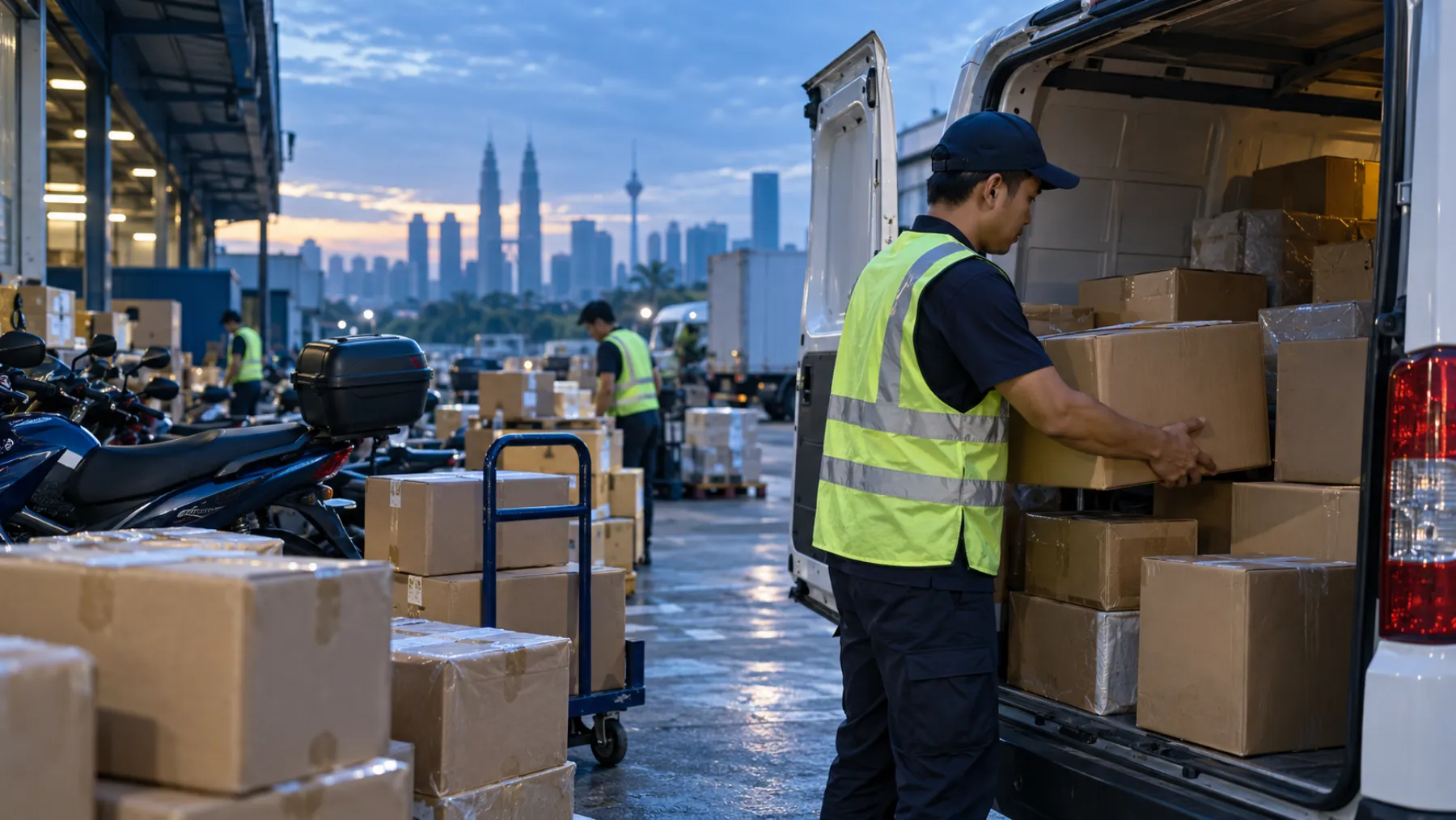
A delivery company's phone line fills up at the same times every day. Customers ask where their parcel is, whether it can come tomorrow instead, and whether the address on the label is still right. Each call is simple, but a small team cannot answer them all before the van leaves. An AI voice agent for logistics takes those calls, looks up the parcel and fixes the simple problems while the customer is still on the line.
The agent answers delivery calls at any hour. It looks up the tracking status, explains it in plain words, books a redelivery slot or a pickup point, confirms the address and passes the details to the driver. Damaged goods, disputed charges and complaints go to a person, with the full history attached.
What do delivery callers actually ask?
Most calls to a courier or fulfilment team fall into a few types. Sorting them first tells you which ones the agent can finish on the call and which ones need a person. The logistics page shows how this fits a delivery business:
- Where is my parcel? The status, the expected window and whether it has already been delivered.
- Can you bring it another day or somewhere else? Redelivery and pickup point requests.
- The address is wrong. A correction, read back before the driver is told.
- What do I pay on delivery? Questions about cash-on-delivery amounts and the payment methods you accept.
- It arrived broken, or it is not what I ordered. A claim, which needs a person.
- Where is the driver? Only if your dispatch system shares that information.
How does a tracking call work?
A tracking call should be short. The agent follows the same steps a good dispatcher would:
- Identify the parcel from the tracking number, or from the order number and the phone number on the order.
- Read the status from your system. If no connection exists, the agent says it cannot see the status and offers a callback.
- Explain the status in one or two plain sentences. For example: "It is with the driver in your area and should arrive this afternoon."
- Offer the next useful step, such as a new slot, a pickup point or a note for the driver.
- Send the update by SMS or WhatsApp, so the customer has the reference in writing.
Can the agent book a redelivery or a pickup point?
Redelivery requests are where a call often turns into a callback. The customer wants a new time, someone has to check the calendar, and the promise is lost by the next day. An agent that can read your open slots closes the request on the call. The options depend on what your courier and your systems offer:
| Option | Suits | What the agent needs |
|---|---|---|
| Redelivery on a new date | Missed deliveries at home | Open slots from your scheduling system |
| Pickup point or locker | Busy households and offices | A list of points with opening hours |
| Hold at depot | Travel and short gaps | Depot hours and a collection rule |
| Note for the driver | Gate codes and safe places to leave a parcel | A note field the driver can read |
If the slot a customer wants is full, the agent offers the nearest free one and confirms it in writing. It does not promise a slot that your system has not released.
Why do wrong addresses cost a second attempt?
A wrong address means a second trip, and a second trip means another call. A short confirmation before the drop catches most of these errors. The agent reads the address back in full, asks for the unit number or landmark the driver needs and records the answer on the job. Estate names and street names are often written in more than one way, so the agent reads back what it has heard, and staff check any address that does not match your map data.
Proactive calls before the van leaves
Some calls should happen before a parcel goes wrong. A short message that says the driver is nearby, and asks whether anyone will be home, saves a failed drop. Keep these calls brief. The customer hears the window, can move it, and is told what happens if they do not answer.
Outbound calls need consent, a calling window that suits the customer's country, and a check against do-not-call lists, which hold the numbers people have asked not to be called on. Set those limits in the platform, not in the script, so the agent cannot call outside them. If the customer does not answer, send an SMS with the window and a link to change it, rather than calling again and again. For how this works in general, see outbound campaigns.
Cash on delivery and payment questions
Cash-on-delivery orders raise questions the driver should not have to answer at the door. What is the amount? Can the customer pay by card? What if the amount is wrong? The agent explains the amount from the order and the payment methods you have set. It does not agree to waive a charge or change a payment. Payment problems go to a person, with the order number, the amount and the customer's own words recorded.
Keeping drivers informed
A change the driver never hears about is a failed delivery waiting to happen. When a customer moves a delivery or adds a note, the change should reach the driver's list before the van leaves the depot. Where your dispatch tool can take the change, the agent writes it there. Where it cannot, the agent passes the change to the dispatcher with the reason written out.
Preparing for peak season
Peak days bring far more of the same questions, and that is when a queue turns into missed parcels and angry messages. Plan before the first big sale day. List the call types, write the answers your team already gives, test the tracking lookups with real order numbers, and decide which changes always go to staff. The peak-season delivery guide covers the calls in more detail.
How VoiFlow handles this
VoiFlow's agents pick up delivery calls on the first ring, around the clock, and follow callers who switch between English, Bahasa Malaysia and Manglish within one call. Where a connection exists, the agent reads order and tracking status, books redelivery and pickup options, and sends a written summary by WhatsApp or SMS. The permissions and limits you set decide what the agent may change. Anything that needs judgement goes to your staff with the full summary, and every call is recorded, scored and replayable for supervisors.
Frequently asked questions
Can an AI voice agent for logistics change a delivery address?
It can take a correction and read the new address back for confirmation. It should change the address in your system only when your rules allow it, and anything that affects the price goes to staff.
Does the agent need a connection to our tracking system?
To read live status, yes. Without a connection it can still take the request, record it and create a callback or a task, but it cannot tell the customer where the parcel is. The integrations page shows what can be connected.
What happens when a parcel arrives damaged?
The agent records what the customer describes, asks for a photo by message if your claims process accepts one, and passes the claim to staff with the order and the call summary. It does not decide compensation.
How do proactive delivery calls stay within the rules?
Set consent, calling windows and do-not-call checks in the platform for each country you serve, and the agent works within those settings. Calling rules differ by country, so confirm them with your own legal adviser before you launch.
If you run a delivery operation, start with a short list: the five calls you take most often, the answers your team already gives, and the systems the agent would need to reach. Try a live call to hear how the agent handles a delivery question, or contact us to plan a pilot before your next peak period.