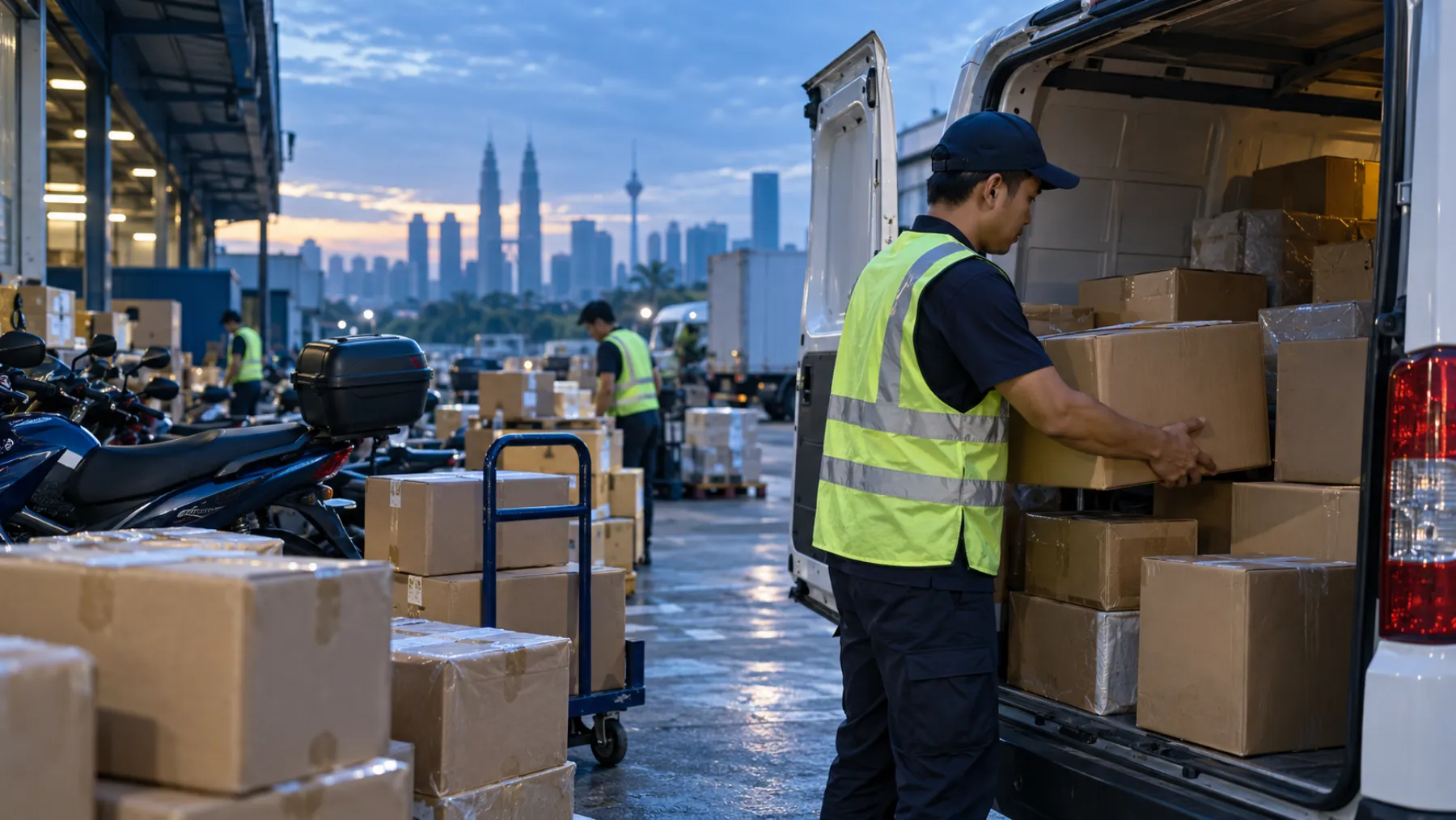

Peak season brings the same call hundreds of times a day: where is my parcel, and can I change when it arrives? Each call is simple, and together they swamp a contact centre. Handling them well means answering fast, fixing the problem on the call and reaching the customer before the driver does.
Courier customer service AI handles the repeat calls of peak season: parcel tracking, delivery changes and missed deliveries. It reads live shipment data, gives a real delivery window when the data supports one, changes slots within your rules, and passes damage and disputes to a person with the full story.
The example here is illustrative: a regional courier company in the run-up to a major sale period.
The calls that fill the queue
Look at a courier's inbound calls in a peak week and most fall into a handful of types:
- Where is my order?
- Can I change the delivery time or address?
- Nobody came, why?
- I will not be home, can someone else collect?
- The driver is outside and cannot find me.
None needs a human's judgement most of the time. All need access to live data. The agent looks up the shipment, reads the status and tells the caller in plain words what is happening.
Tracking by number
The caller gives a tracking number, or the agent finds the shipment from the phone number if it matches an order. It reads back the current stage: collected, at the hub, out for delivery with an expected window, or attempted and returned.
The answer is specific. Not "in transit", but "it left the Sharjah hub this morning and is on the van for delivery between two and five". If the data does not support a promise, the agent says so.
A caller who gets a real window rarely rings back. A caller who gets "in transit" always does.
Changing the delivery on the call
The next most common need is a change. The agent can offer a new window, confirm an address, record a safe place or a neighbour, and write the change to the dispatch system during the call.
Rules matter here. A change after the parcel is loaded may carry a fee or be impossible. The agent follows your rules: what it can change by itself, what needs approval, and what goes to a human. A change the customer agrees to is confirmed by SMS or WhatsApp with the new window, reading the live record.
Reaching the customer before the driver does
Peak-season failures are often failed first attempts. A driver arrives and no one is home, the address is incomplete or the gate is locked.
Outbound calls help. On the morning of delivery, the agent can call or message customers whose parcel is out for delivery, confirm they will be there and collect any access details. Those who cannot be home choose another window or a safe place, before the van is on their street.
Driver coordination
Drivers also need support. When a driver cannot find an address, a call to the customer from the agent, with the driver's context, resolves it in a minute. The result is written back so dispatch can see it.
Where a human dispatcher is needed, such as for a damaged parcel or a dispute, the agent hands over with the full story, as a warm handoff does.
Handling the spikes
Volume spikes are unpredictable. A service disruption or a weather event can double calls in an hour. An agent that answers every call at once does not queue. Humans are left for the cases that need judgement, and the summary at the end of the day shows what changed.
What to measure
Start with the AI voice agent KPIs and add these delivery measures:
- How many "where is my order" calls were resolved without a human.
- First-attempt delivery success before and after outbound confirmation.
- Repeat calls about the same shipment.
- Handoffs, and what caused them.
Repeat calls are the most revealing. If customers ring twice, the first answer was not good enough.
Planning for the week before the peak
Do not wait for the first spike to find out how the agent behaves. A week before the peak, run your ten most common call types as test calls, using real tracking numbers from yesterday. Check the answers against what dispatch says is true, and fix any status that reads confusingly.
Then agree the escalation rules with dispatch: which delays count as a problem, who takes a damaged parcel call, and what the agent says when the data is simply missing.
What to do next
Pull your last peak week of call reasons and count the top five. If they match the list above, you have a strong first use case.
See the logistics page, look at the service desk use case, or talk to us about pricing for peak volumes.
Frequently asked questions
Can the agent give a real delivery window?
Yes, when the shipment data supports one. If the data does not support a promise, the agent says so rather than guessing.
Can a caller change a delivery by phone?
Yes, within the rules you set, such as a new window, a safe place or a neighbour. Changes after the parcel is loaded may need approval or may not be possible, and a new window is confirmed by SMS or WhatsApp.
What should the agent do when shipment data is missing?
It should say so plainly, then follow the escalation rules you agreed with dispatch, such as taking a message or passing the call on. Customers should never hear an internal status code.
How do I prepare for the week before peak?
Run your ten most common call types as test calls, using real tracking numbers from yesterday, and agree escalation rules with dispatch. To hear a delivery call on a live line, try a call.